
Persistent heel pain, elbow discomfort, or an overuse injury can make walking, working, and exercising harder than usual. When rest and initial care have not helped, you may wonder whether another treatment could fit into your recovery plan. Shockwave Therapy in West Windsor NJ uses acoustic energy applied to a targeted area. Providers may consider it for certain long-lasting tendon and soft-tissue problems, though it does not suit every injury or type of pain. An evaluation helps determine whether it may be appropriate for your symptoms. This guide explains how shockwave therapy works, which conditions may be considered, what a session involves, and how it may fit alongside rehabilitation.
What Is Shockwave Therapy and How Does It Work for Pain Relief?
Shockwave therapy, also called extracorporeal shockwave therapy, delivers acoustic pulses through a handheld device placed against the skin. A provider directs the pulses to a treatment area based on your symptoms and examination findings. Researchers continue to study how this treatment affects pain and tissue response, and results vary by condition.
How Shockwave Therapy Targets Painful Tissues
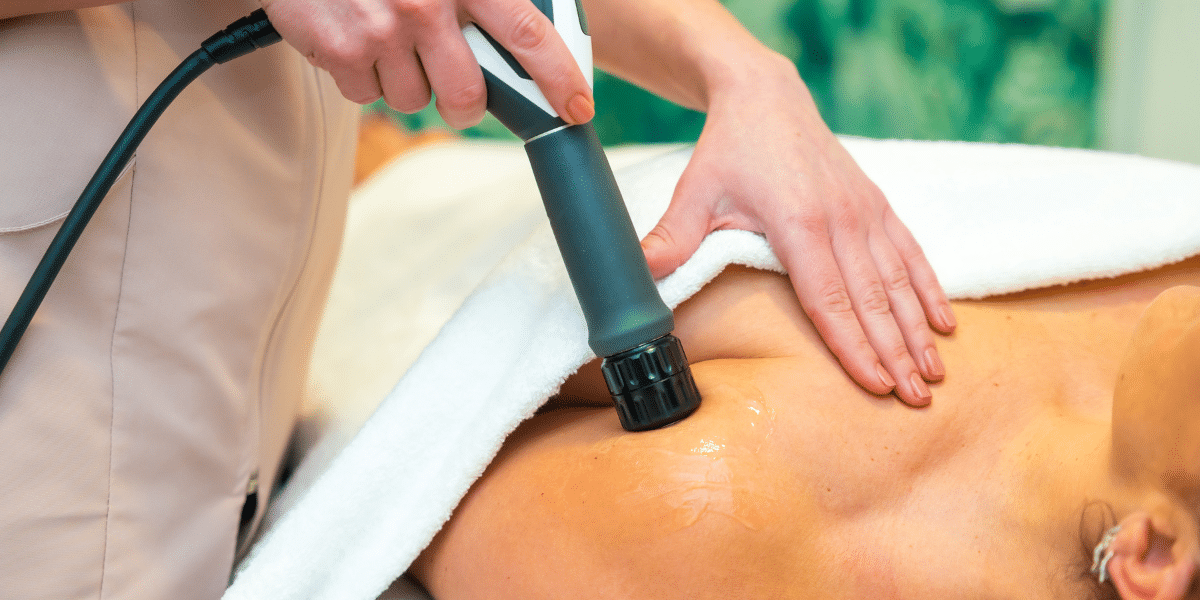
During treatment, a clinician applies gel to the skin and moves the device over the targeted area. The pulses create a tapping or pressure sensation. Some people find treatment uncomfortable, but the sensation and intensity can vary depending on the area treated and the settings used. Shockwave therapy may affect how the body responds to pain and may support the healing process in some chronic tendon conditions. It does not guarantee that an injury will heal or that pain will disappear. A provider should explain its possible role alongside other care options.
Focused vs. Radial Shockwave Therapy
Focused and radial devices deliver energy differently. Focused shockwave directs energy toward a specific depth, while radial treatment spreads pressure waves across a broader area near the skin’s surface. A provider chooses the method based on the suspected tissue, location of symptoms, examination, and treatment goals. If you are comparing options after searching for radial shockwave therapy near me, ask which method the clinic uses and why it may fit your condition. The treatment name alone cannot determine whether it is suitable for you.
What Conditions Can Be Treated With Shockwave Therapy?
Providers may consider shockwave therapy for some persistent tendon problems and other musculoskeletal conditions. The decision depends on the diagnosis, how long symptoms have lasted, previous treatment, and your health history. It is not a general treatment for every ache or injury.
Plantar Fasciitis and Chronic Heel Pain
Plantar fasciitis involves irritation of the thick band of tissue along the bottom of the foot. It can cause heel pain during the first steps after sleeping or sitting, and discomfort may return after long periods of standing or walking.
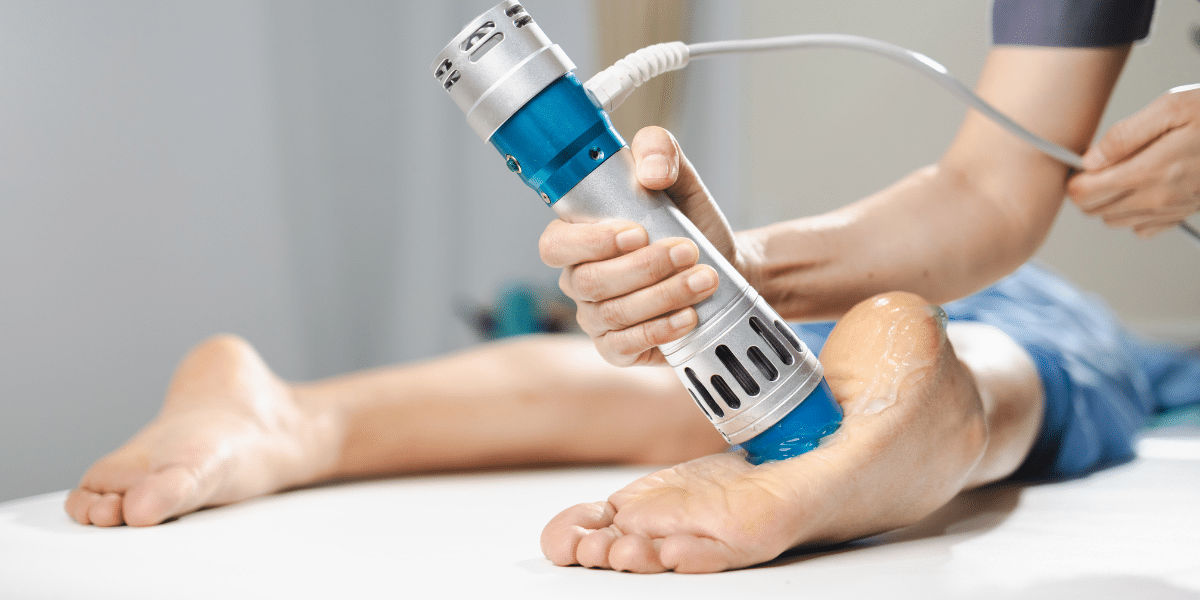
When symptoms persist despite initial care, shockwave therapy may be discussed as one option. The treatment may be relevant for people searching for shock wave therapy heel pain, but an assessment is needed to confirm what is causing the discomfort. Other conditions can also lead to heel pain. Our heel pain care in West Windsor begins with an evaluation of symptoms and movement.
Achilles Tendinopathy and Ankle Pain
The Achilles tendon connects the calf muscles to the heel. Repeated loading from running, jumping, or a sudden increase in activity can contribute to pain and stiffness around the tendon. Symptoms may be more noticeable during exercise or the morning after activity.
Shockwave therapy may be considered for selected long-lasting tendon problems as part of a broader plan. It is not a substitute for identifying the cause of pain or gradually rebuilding strength. Evidence and treatment recommendations can vary, so a provider should explain the potential benefits and limits before recommending it.
Tennis Elbow and Golfer’s Elbow
Tennis elbow affects tendons on the outside of the elbow, while golfer’s elbow involves tendons on the inside. Repetitive gripping, lifting, sports, or work tasks can contribute to symptoms such as tenderness, pain with movement, or reduced grip comfort.
Shockwave therapy may be an option for some people with persistent tendon-related elbow pain. Your clinician can assess the location of symptoms and consider other possible causes, including joint or nerve problems. Our tendonitis treatment page describes the clinic’s care options for tendon-related concerns.
Shoulder Tendinopathy and Calcific Rotator Cuff Problems
Shoulder tendon irritation can make reaching, lifting, or sleeping on one side uncomfortable. Calcium deposits in a rotator cuff tendon may also contribute to pain and restricted movement. These symptoms can have different causes, so an examination is important before choosing treatment.
Shockwave therapy may be considered in selected cases, including some calcific tendon problems. Recommendations vary by condition. A clinician can discuss whether it is a reasonable option or whether another examination or approach should come first.
Patellar Tendinopathy and Hip Tendon Pain
Patellar tendinopathy, sometimes called jumper’s knee, causes pain around the tendon below the kneecap. Gluteal tendinopathy can cause discomfort on the outer hip, especially during walking, stair climbing, or lying on the affected side. Both conditions can affect active people, but symptoms can also arise from other causes.
A provider considers your diagnosis, activity demands, and response to previous care before discussing shockwave therapy. The table summarizes conditions for which it may be considered. It is not a diagnosis or a promise of treatment.
Who May Be a Good Candidate for Shockwave Therapy?

Shockwave therapy is considered for specific musculoskeletal conditions, not every type of pain. A provider should first review your symptoms and health history, examine the affected area, and discuss your previous care. That process helps determine whether treatment is appropriate or another option makes more sense.
Patients With Persistent Tendon Pain or Overuse Injuries
You may discuss shockwave therapy with a provider if tendon pain has continued despite initial treatment, activity changes, or exercise-based care. This may apply to active adults, athletes, and workers whose repeated movements place stress on certain tendons. A search for Shockwave Therapy Near Me can help you find local options, but the treatment should match a confirmed clinical concern. A provider may recommend rehabilitation, activity adjustments, or another approach alone or alongside shockwave therapy, depending on your needs.
When Shockwave Therapy May Not Be Appropriate
Certain medical conditions or findings may change whether shockwave therapy is safe or useful. A possible fracture, infection, bleeding disorder, or other health concern may require further assessment. Tell your provider about your health conditions, medications, recent injuries, and any prior treatment. Back pain, nerve compression, and injuries from an accident each need their own evaluation. If you are searching for shockwave therapy for back pain near me, do not assume shockwave is the right treatment for a spinal or nerve-related problem. Sudden severe pain, significant weakness, or symptoms following a serious injury should be assessed promptly.
What Happens During a Shockwave Therapy Session?
Your appointment should begin with a discussion of your symptoms and goals, followed by an examination of the affected area. If shockwave therapy is appropriate, your provider can explain the planned treatment, what it may feel like, and what other care may be recommended. The number and timing of sessions depend on the treatment plan.
Initial Examination and Treatment Planning
Your provider may ask when the pain started, what makes it better or worse, and how it affects daily activities. They may review your medical history, previous treatments, and current activity level. An examination helps identify the area involved and whether another cause should be considered. You can ask why shockwave therapy is being recommended, what outcomes are realistic, and how progress will be evaluated. Patients searching for shockwave therapy Princeton can use those questions when comparing nearby providers. Treatment decisions should be based on your condition and individual findings.
During Treatment and Aftercare
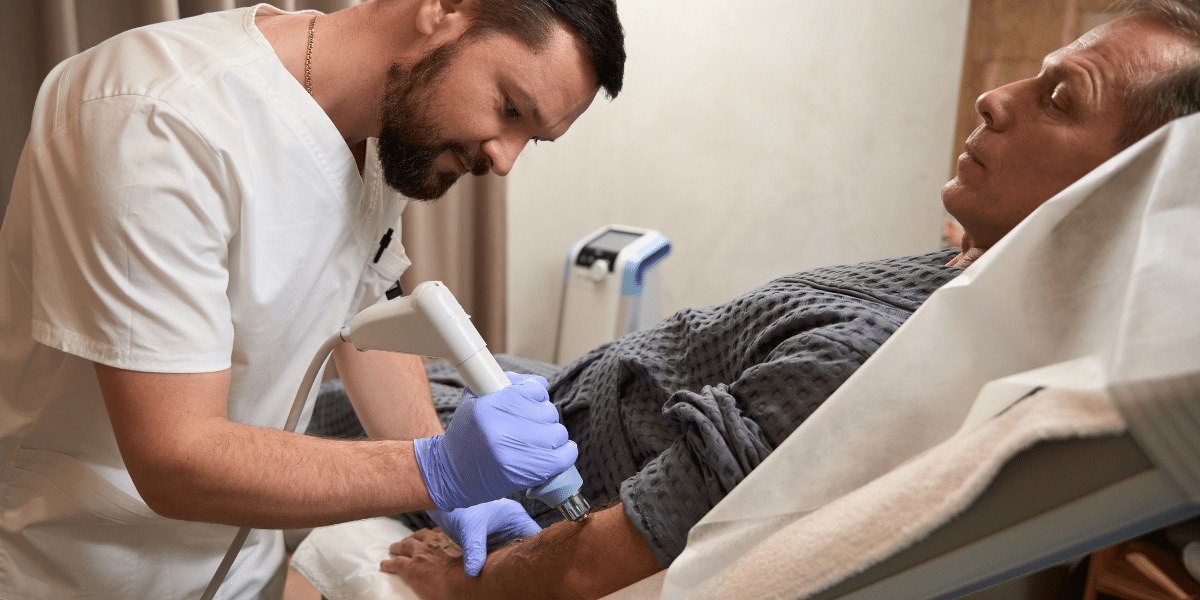
During treatment, a provider applies gel and uses a handheld device to deliver pulses to the target area. You may feel tapping, pressure, or temporary discomfort. Let the provider know if the sensation becomes difficult to tolerate so they can discuss the settings and next steps. Some people notice temporary soreness after a session. Your provider may recommend activity adjustments or exercises, depending on the condition being treated. Follow the guidance you receive and contact the clinic if you have concerns about how you feel afterward.
What Are the Benefits and Limitations of Non-Surgical Shockwave Therapy?
Some patients consider shockwave therapy because it does not involve an incision and may be used alongside rehabilitation. However, non-surgical treatment does not mean risk-free or guaranteed treatment. The likely benefits depend on the condition, the care plan, and your response.
Potential Benefits for Pain and Mobility
For selected tendon conditions, shockwave therapy may help reduce symptoms or support improved function. If pain becomes more manageable, you may find it easier to take part in exercises or return gradually to some activities. Individual results vary, and the treatment may not help everyone. A good plan also considers the activities and movement patterns contributing to your symptoms. Shockwave therapy may be one part of care, alongside strengthening, mobility work, or changes to training and work routines. Your provider can explain how the pieces fit together.
Understanding Recovery and Treatment Results
Improvement may take time, and some treatment plans involve multiple sessions. You may not notice a change immediately, and there is no single schedule that suits every diagnosis. Ask when your progress will be reviewed and what the next step will be if your symptoms do not improve. Research findings differ across conditions. Treatment should be presented as an option to discuss, not as a guaranteed result or a replacement for surgery when surgery is medically necessary.
How Can Shockwave Therapy Work Alongside Physical Rehabilitation?
Pain care often involves more than treating the painful area. Strength, flexibility, activity levels, and movement habits can all affect how you manage daily tasks. Rehabilitation can help address these factors while your provider monitors symptoms and function.
Combining Shockwave Therapy With Physical Therapy
A plan may include stretching, strengthening, movement training, and a gradual return to activity. The exercises should match your diagnosis and current ability. Starting with manageable steps can help you build capacity without putting too much stress on the affected area. For example, a runner with heel pain may need to review training volume and calf strength, while someone with elbow pain may need to adjust repeated gripping or lifting. The combination of treatment and exercise depends on the person rather than following one routine for every injury.
Supporting Long-Term Mobility and Injury Prevention
As symptoms improve, your provider may guide you in returning to sports, work tasks, or exercise in stages. Increasing activity too quickly can aggravate symptoms, so follow the progression discussed with your care team. Your plan may change as you regain strength and confidence. Ongoing conditioning and attention to movement technique can support daily function. If symptoms return or change, let your provider know rather than pushing through worsening pain. The goal is to help you move more comfortably and make informed choices about activity.
How We Provide Personalized Shockwave Therapy at Align Health & Wellness in West Windsor, NJ
At Align Health & Wellness, we help patients manage musculoskeletal pain and work toward improved mobility through individualized care. Our West Windsor clinic offers shockwave therapy alongside services such as chiropractic care, physical therapy, and acupuncture. We discuss options based on your symptoms, examination, and goals.
Our Approach to Shockwave Therapy and Pain Management
We begin by asking about your symptoms, medical history, movement limitations, and previous treatment. That information helps us decide whether shockwave therapy may fit your situation and what other care may be useful. We explain the options so you can make an informed decision about your plan. For people considering Shockwave Therapy in West Windsor NJ, our shockwave therapy service provides details about the treatment offered at our clinic. We tailor recommendations to the condition and individual needs. If shockwave therapy is not a suitable choice, we can discuss other options.
Our Integrated Rehabilitation and Wellness Services
Depending on your needs, care may include movement-based rehabilitation, therapeutic exercises, chiropractic care, or acupuncture. These services may support different parts of a recovery plan, but they are not appropriate for every person or diagnosis. We review your goals and discuss which services may be relevant. Our acupuncture services are one option available at the West Windsor clinic. For people searching shockwave therapy Princeton, having a local team discuss treatment and rehabilitation options can help clarify what to do next. We can also coordinate recommendations around work, sports, or everyday activities.
Our Commitment to Long-Term Recovery
Recovery plans can change as symptoms and movement improve. We review your response to care and discuss whether the plan should continue, change, or include further evaluation. Patient questions and feedback help us understand how treatment is affecting your daily routine. Our focus is on practical steps that support mobility and function over time. We encourage patients to discuss new or worsening symptoms and to follow the activity guidance provided by their clinician.
Conclusion: Discuss Your Shockwave Therapy Options
Shockwave therapy may be an option for selected persistent tendon conditions, including some cases of plantar fasciitis, elbow tendinopathy, and shoulder problems. Its suitability depends on your diagnosis, medical history, and response to previous care. An evaluation can help you understand whether it belongs in your treatment plan.
If you have ongoing tendon pain or activity-related discomfort, contact Align Health & Wellness in West Windsor, NJ, to discuss your symptoms and schedule a consultation. Our team can help you review available care options and decide on an appropriate next step.