
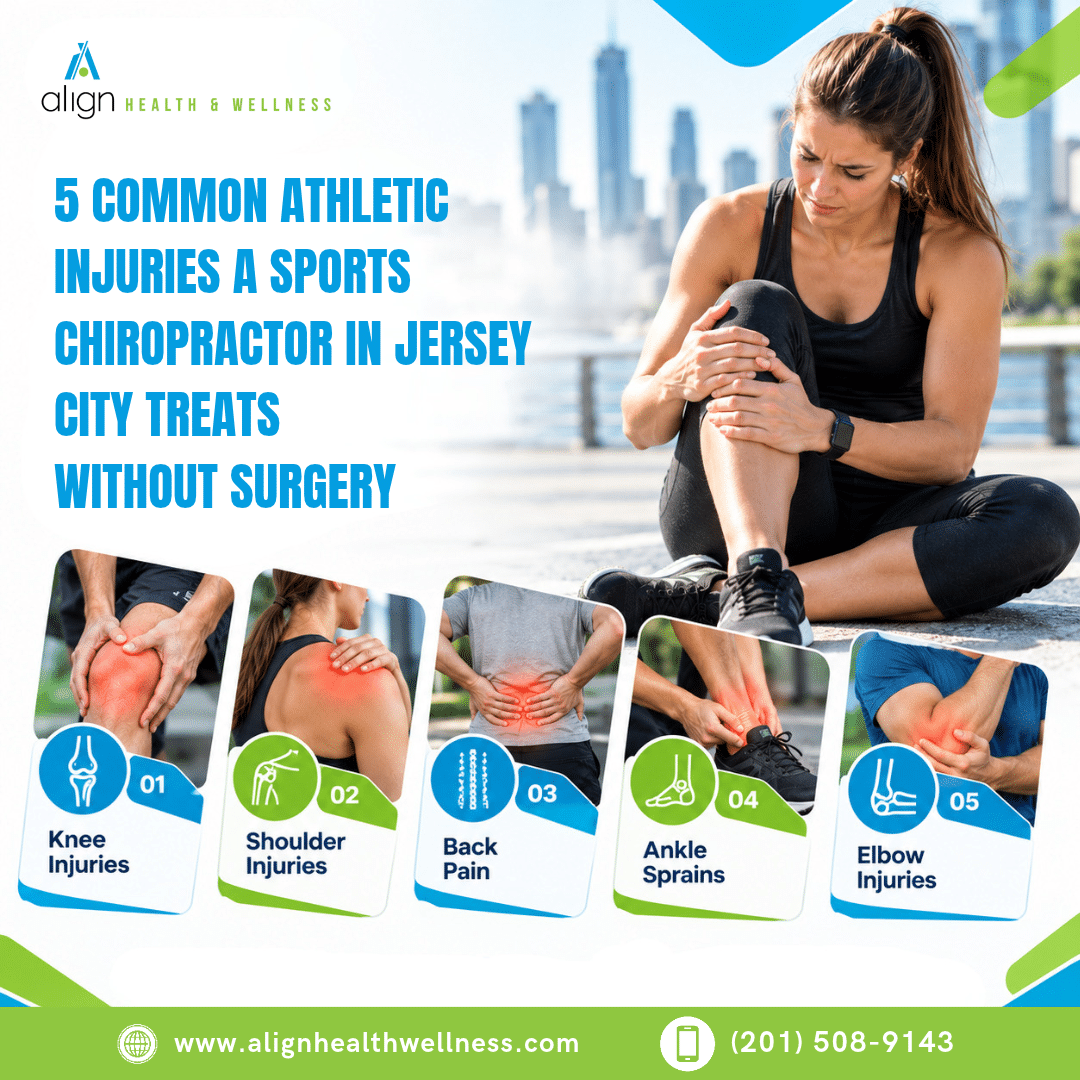
A sore shoulder after lifting, a twisted ankle during a game, or heel pain on your morning run can quickly disrupt an active routine. Sports injuries affect competitive athletes, runners, gym regulars, and people who enjoy recreational activities. Some follow a single awkward movement; others develop gradually when repeated stress outpaces recovery. People comparing sports chiropractor in Jersey City services often want to know which injuries may respond to care without surgery. Depending on the diagnosis, non-surgical treatment can combine joint mobilization, soft tissue techniques, guided exercise, and changes to training habits. A careful assessment helps identify what needs attention and when another medical specialist should be involved. If you are searching for a sports chiropractor near me, start by understanding the five injury groups below and the role rehabilitation may play in getting you moving comfortably again.
1. Sprains and Strains From Sports Activities
A sudden change of pace, an awkward landing, or a hard exercise can lead to sprains and strains. Though they share symptoms, they impact different tissues; thus, an accurate diagnosis determines the recovery plan.
What Causes Sprains and Muscle Strains in Athletes?
A sprain stretches or tears a ligament, the tissue that connects bones and helps stabilize a joint. A strain affects a muscle or tendon, which connects muscle to bone. An ankle that rolls in basketball can result in a sprain, and a muscle that strains from a sudden sprint or heavy lift can result in a strain.
The most common sprain locations are on the wrists and ankles. Common strains include lower back, neck, hamstring, or calf strains, particularly following overstretching or repetitive movements. Symptoms include tenderness, swelling, bruising, stiffness, and limited motion. There is no sure way to determine if a tissue has torn from the degree of swelling or pain.
How Chiropractic Care May Support Sprain and Strain Recovery
First, assess the severity of the injury and determine if it is safe to move the affected area. If the injury is appropriate and uncomplicated, gentle joint mobilization or soft tissue techniques could help with the stiffness and reduce pain until the tissue has healed. Therapy should reflect the stage of recovery; not make the person move through the pain. Someone looking for a neck pain chiropractor Jersey City provider after a training-related strain may benefit from an assessment and individualized neck pain care. Rehabilitation can then progress from comfortable movement to strengthening, balance, and sport-specific drills. Temporary changes to training intensity and a gradual return to activity help avoid loading the injury too aggressively.
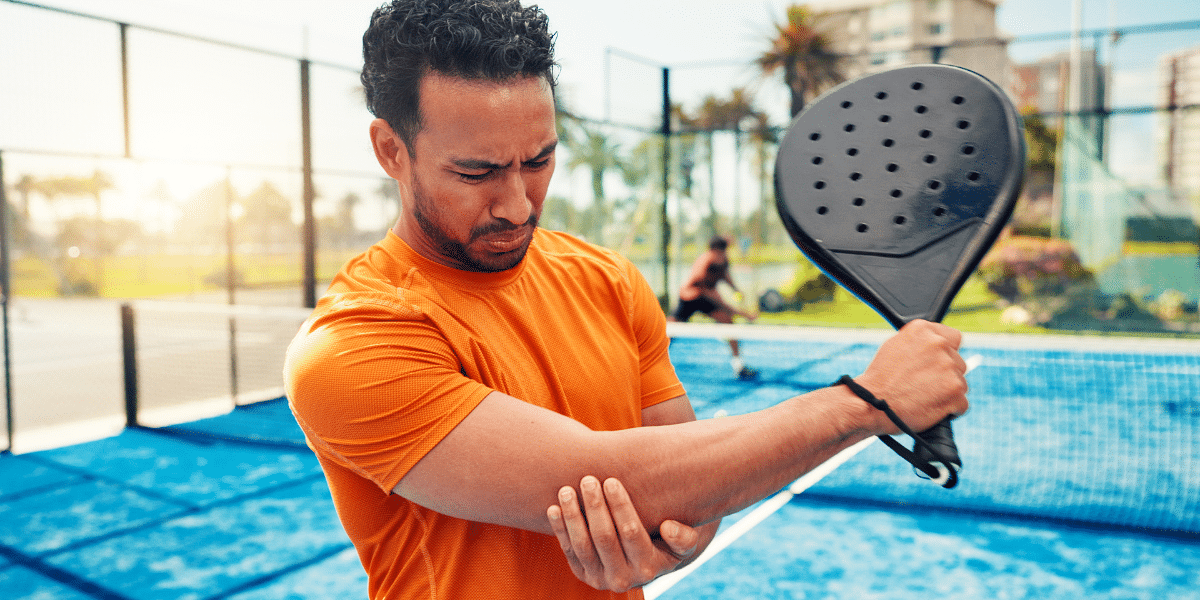
2. Tennis Elbow and Golfer’s Elbow (Lateral and Medial Epicondylitis)
Elbow pain usually develops gradually and can be overlooked during the initial few training sessions. Tendons can be overloaded even if there was no single injury; repeated gripping, lifting, swinging, or wrist movements can overload the tendons.
Why Athletes Develop Tennis Elbow and Golfer’s Elbow
Lateral epicondylitis refers to the outside of the elbow and is commonly known as “tennis elbow.” Medial epicondylitis (golfer’s elbow) affects the inside of the elbow. Both types of conditions have been associated with repetitive loading of the tendon, but not necessarily with a sudden impact. A tender sensation may be felt when carrying a bag, turning a doorknob, holding a racket, or doing a set of weights. Common activities can become challenging due to forearm pain and weakness. This also applies to manual laborers and recreational sports players who don’t play tennis or golf, because repeated movement matters as much as the sport itself.
Non-Surgical Treatment Options for Elbow Tendon Pain
Assessment looks at elbow and wrist movement, grip strength, tenderness, and the activities that repeatedly provoke symptoms. A clinician may recommend tennis elbow treatment that combines targeted rehabilitation with changes to gripping or lifting demands. Manual techniques may help associated muscle discomfort or joint restrictions, although exercise progression remains central to tendon recovery.
If you have searched for a sports chiropractor near me because elbow pain keeps returning, ask how your treatment plan will rebuild tendon tolerance. Gradual strengthening, including eccentric exercises when suitable, prepares the arm for heavier activity. Adjusting exercise volume, technique, and recovery time helps prevent the same load from repeatedly irritating the tendon.
3. Rotator Cuff and Shoulder Injuries in Athletes
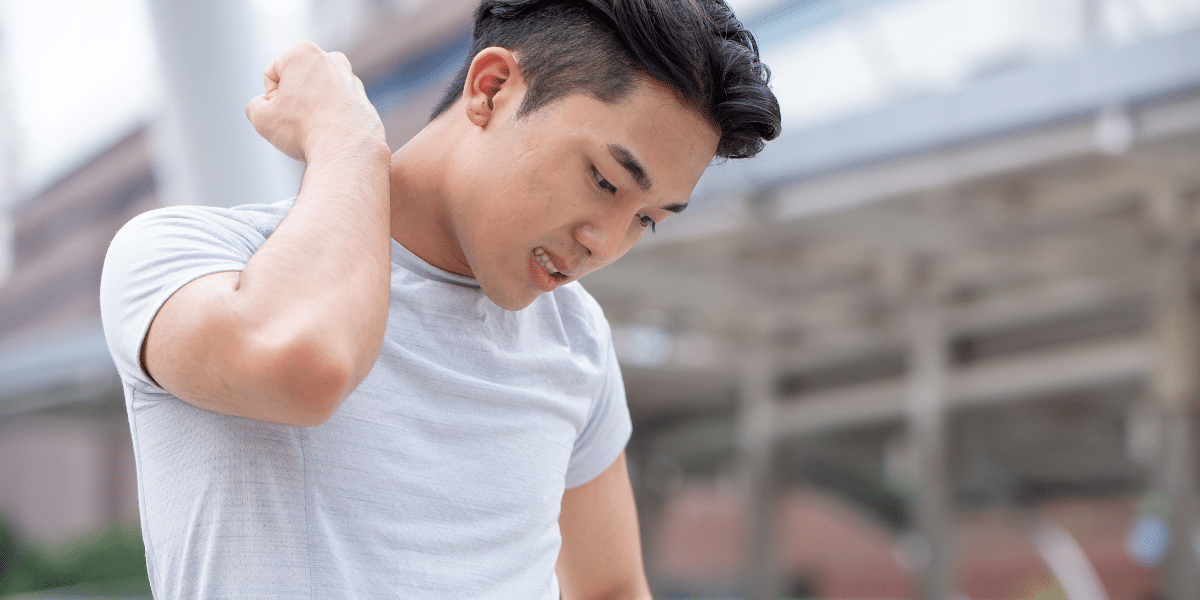
Overhead loads are commonly placed on the shoulder by swimmers, baseball players, tennis players, and weightlifters. If shoulder pain interferes with reaching, lifting, or sleeping, it’s important to determine the cause of the pain before training through it.
Rotator Cuff Injuries: Common Causes and Symptoms
A number of muscles and tendons that work together to support and move the shoulder make up the rotator cuff. Overhead activity, sudden trauma, or a sudden rise in training volume may lead to tendinopathy, partial tearing, or shoulder instability. The location of pain is not enough to make a diagnosis, as different problems can be associated with the same symptoms.
People with rotator cuff injuries may experience weakness, reduced arm movement, pain while reaching overhead, or discomfort when lying on one side. If the pain comes on suddenly, with significant weakness, or if it continues in spite of rest or the careful adjustment of activities, then more investigation is needed. In some cases, imaging or specialist assessment must be performed for injuries before the rehabilitation process can start.
How a Sports Chiropractor May Help Manage Shoulder Injuries
An assessment considers how the shoulder blade moves, whether the shoulder joint is restricted, and how well the surrounding muscles support the arm. Patients searching for shoulder pain chiropractor Jersey City services should expect a plan based on these findings rather than the same exercises for every shoulder problem.
Depending on the diagnosis, appropriate manual therapy may help relieve associated stiffness while a strengthening program targets the rotator cuff and shoulder stabilizers. Rehabilitation usually starts with manageable movements and builds toward controlled overhead work. Athletes comparing shoulder pain chiropractor Jersey City options should also look for clear guidance on when to resume serving, swimming, throwing, or lifting and when a referral is needed.
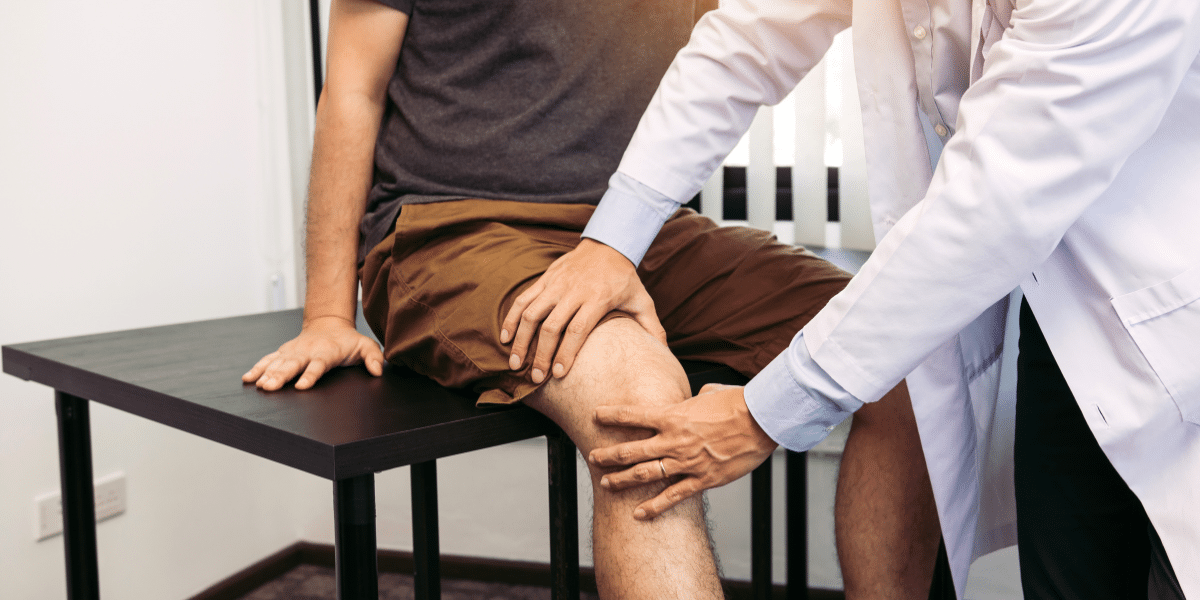
4. Runner’s Knee and Jumper’s Knee
There is a need for repeated work from the knee in running and jumping, especially when training volume increases at a rapid pace. While both runner’s knee and jumper’s knee may restrict exercise, they have different pain patterns and may require different loading strategies.
Understanding Common Knee Injuries in Sports
Patellofemoral pain syndrome (runner’s knee) typically produces aching behind or around the kneecap. Patellar tendinopathy (jumper’s knee) occurs in the tendon located just below the kneecap. Both conditions can be differentiated by the location of pain and the activities that worsen the pain.
Common causes include repetitive impact to the area, too much mileage or jumping, not getting enough recovery, muscle weakness, and movement patterns that put undue strain on the affected area. This can occur when you are taking steps, squatting, running downhill, or jumping repeatedly. Stiffness in the knee and reduced exercise tolerance may occur following a lack of change in workload.
Chiropractic and Rehabilitation Approaches for Sports-Related Knee Pain
A movement assessment considers hip strength, knee control, ankle mobility, and how the legs absorb force during walking, squatting, or running. Individualized knee pain treatment may include joint mobilization when movement is restricted, but strengthening and activity progression remain essential.
Strengthening exercises may focus on the quadriceps, hips, and other muscles that help the leg move; the amount of resistance is adjusted as symptoms and function permit. Runners might have to run less or at a slower speed for a while; jumping athletes might have to take a break from jumping. The aim is to put the knee on a manageable workload and slowly gain confidence in the knee without continually reinjuring it.
5. Achilles Tendinopathy and Plantar Fasciitis
Running in the morning and walking short distances can become a challenge when you’re suffering from foot and heel pain. Active people are at risk of developing Achilles tendinopathy or Plantar fasciitis, especially if there is a sudden increase in running or jumping loads.
Why Athletes Develop Achilles Tendon and Heel Pain
Achilles tendinopathy affects the strong tendon connecting the calf muscles to the heel. It may make running, jumping, or first movements after rest difficult and painful. This can be caused by higher training loads, repetition and inadequate recovery.
A condition of the tissue along the bottom of the foot, known as plantar fasciitis or plantar fasciopathy, is the most prevalent cause of pain under the heel. Symptoms are usually sudden and severe as soon as the first steps are taken in the morning. Strain on these tissues can be exacerbated by calf tightness, decreased ankle mobility, shoe changes, and changes in running/walking patterns.
Non-Surgical Care for Achilles and Plantar Fascia Pain
A clinician may examine ankle movement, calf strength, walking patterns, and recent changes in training to understand the source of discomfort. Appropriate manual therapy and stretching can address related mobility restrictions, while a tailored loading program builds tissue capacity over time.
Achilles rehabilitation often uses progressive calf strengthening and controlled tendon-loading exercises. Plantar fascia-specific stretching and strengthening may help with heel symptoms. Footwear choices, temporary training adjustments, and a gradual return to running or jumping also matter. Because certain Achilles problems near the heel attachment can worsen with aggressive stretching, exercise selection should follow the examination findings.
How Does a Sports Chiropractor Treat Athletic Injuries Without Surgery?

The best non-surgical plan starts with identifying the injured tissue and the movements that aggravate it. People exploring sports chiropractor Jersey City care should expect a clear explanation of their findings, realistic recovery goals, and guidance on when medical referral is appropriate.
Initial Injury Assessment and Treatment Planning
A chiropractor reviews how the injury began, which movements hurt, previous injuries, daily demands, and training goals. The examination may include joint mobility, muscle strength, balance, functional movement, and neurological screening when symptoms suggest nerve involvement. These findings help determine whether chiropractic care is suitable alongside rehabilitation.
Choosing a provider after searching for a sports chiropractor near me should involve checking credentials and asking how progress will be measured. Suspected fractures, significant tendon tears, or serious neurological symptoms may require imaging or specialist evaluation before hands-on treatment. A useful treatment plan also explains which activities can continue safely and which should temporarily change.
Common Non-Surgical Treatment Techniques
Non-surgical care may combine hands-on treatment with exercise and changes to daily or sporting activities. When appropriate, physical therapy can support strength, coordination, and a progressive return to activity. The combination depends on the injury, examination findings, and how symptoms respond over time.
- Joint mobilization: Improve movement in a stiff joint when clinically appropriate.
- Soft tissue therapy: Address associated muscular discomfort and tension.
- Strengthening and stretching: Restore mobility, strength, and tolerance for activity.
- Movement retraining: Improve coordination during sport-specific tasks.
- Activity modification: Reduce aggravating loads while keeping suitable movement in the routine.
No single technique suits every athlete. The plan should change as strength, symptoms, and physical function improve.
Quick Treatment Comparison Table
These approaches work best as part of an individualized program, with exercise demands adjusted to the athlete’s recovery stage.
When Should Athletes Seek Medical Attention for a Sports Injury?
Many overuse injuries improve with structured rehabilitation, but some injuries need medical attention before treatment can begin. Acting promptly when serious symptoms appear can help prevent further damage or delays in care.
Warning Signs That Should Not Be Ignored
Seek prompt medical assessment for severe swelling, a visible deformity, inability to bear weight, pronounced weakness, or ongoing numbness. A sudden pop followed by loss of function can indicate a major tendon or ligament injury. Suspected fractures and complete tendon ruptures also require medical evaluation.
After a hard fall or collision, athletes considering neck pain chiropractor Jersey City services should seek urgent medical care if they have severe neck pain, weakness, tingling, or other neurological symptoms. Hands-on treatment should not precede an assessment for serious injury.
When Non-Surgical Treatment May Not Be Enough
The right treatment depends on injury severity, physical examination, and the activities a patient needs to perform. Persistent symptoms despite appropriate rehabilitation, substantial loss of strength, or signs of joint instability may call for additional testing.
Imaging, orthopedic evaluation, or a surgical consultation may be appropriate for unstable injuries, certain complete tendon ruptures, serious ligament damage, or fractures. Referral does not automatically mean surgery will be needed. It helps clarify the diagnosis and select a safe path back to everyday movement and sport.
How We Support Sports Injury Recovery at Align Health & Wellness
At Align Health & Wellness, we tailor musculoskeletal care to each patient’s symptoms, movement limitations, and activity goals. For athletes and active adults in Jersey City, our focus is on careful assessment, appropriate treatment, and steady progress toward the activities they value.
Our Personalized Approach to Athletic Injury Rehabilitation
We begin by discussing how your symptoms developed, what you can comfortably do, and which movements are holding you back. We then examine relevant joint mobility, muscle function, and activity demands before discussing suitable treatment options.
Our sports chiropractor Jersey City care may involve chiropractic adjustments, joint mobilization, soft tissue therapy, and individualized exercises when appropriate. Patients searching for shoulder pain chiropractor Jersey City care can receive an assessment of shoulder function and guidance on the next steps. We also work with patients experiencing sports-related neck strains, joint stiffness, and other musculoskeletal concerns, with referrals when findings call for additional medical care.
Our Integrated Approach to Pain Relief and Long-Term Mobility
We may draw on chiropractic care, physical therapy, and therapeutic exercise according to the patient’s condition and goals. Rehabilitation is paced around improving strength, movement quality, and confidence, with training demands increased as recovery allows. Patients exploring neck pain chiropractor Jersey City options can discuss neck symptoms and related movement problems during an individual assessment. Those comparing a sports chiropractor near me can consider our Jersey City and West Windsor, NJ locations when arranging care. Our goal is to help each patient return to a realistic level of activity with practical guidance for managing recurring movement problems.
Conclusion
Sprains and strains, tennis or golfer’s elbow, rotator cuff injuries, runner’s or jumper’s knee, and Achilles or plantar fascia pain can all interfere with training and daily routines. Many cases respond to appropriate non-surgical treatment, particularly when progressive exercise, sensible load management, and professional assessment guide recovery. Persistent pain, weakness, or a sudden change in function deserves attention rather than another attempt to push through the symptoms. A personalized assessment can identify the likely source of discomfort, explain suitable treatment options, and help you plan a gradual return to activity. If you are dealing with a sports injury in Jersey City, contact Align Health & Wellness to discuss your symptoms and arrange a consultation. Whether shoulder discomfort is interrupting your workouts or recurring knee pain is limiting your runs, our team can review your concerns and discuss appropriate chiropractic and rehabilitation options. Take the next step toward comfortable, confident movement.