

A herniated disc can turn ordinary moments into frustrating ones. Getting out of a chair hurts. A short drive leaves your back aching, or pain travels down your leg without warning. If you’re searching for herniated disc treatment near me, you may wonder whether surgery is your only option. For some people, a herniated disc chiropractor can discuss gentle flexion-distraction or spinal decompression alongside physical therapy for herniated disc symptoms. The right approach depends on what is causing your pain.
Understanding Herniated Discs and Their Impact on Spinal Health
Spinal discs cushion the vertebrae. Damage may irritate nearby nerves and limit movement.
What Happens When a Spinal Disc Herniates?
Each disc has a softer center and a tougher outer ring. A herniated disc develops when inner material pushes through a weakened area. Aging, repeated lifting, sports injuries, and sudden strain can contribute. Some herniations cause no symptoms.
Common Symptoms of Herniated and Bulging Discs
Depending on location, a herniated disc in the lumbar region may cause lower back discomfort that radiates into the legs (sciatica). A cervical herniation may cause pain that travels into the shoulder or arm. Other symptoms may include numbness, tingling, limited movement, or muscle weakness in the affected area. These problems require careful evaluation, especially if they appear suddenly or become severe.
Can a Chiropractor Assist With a Herniated Disc?
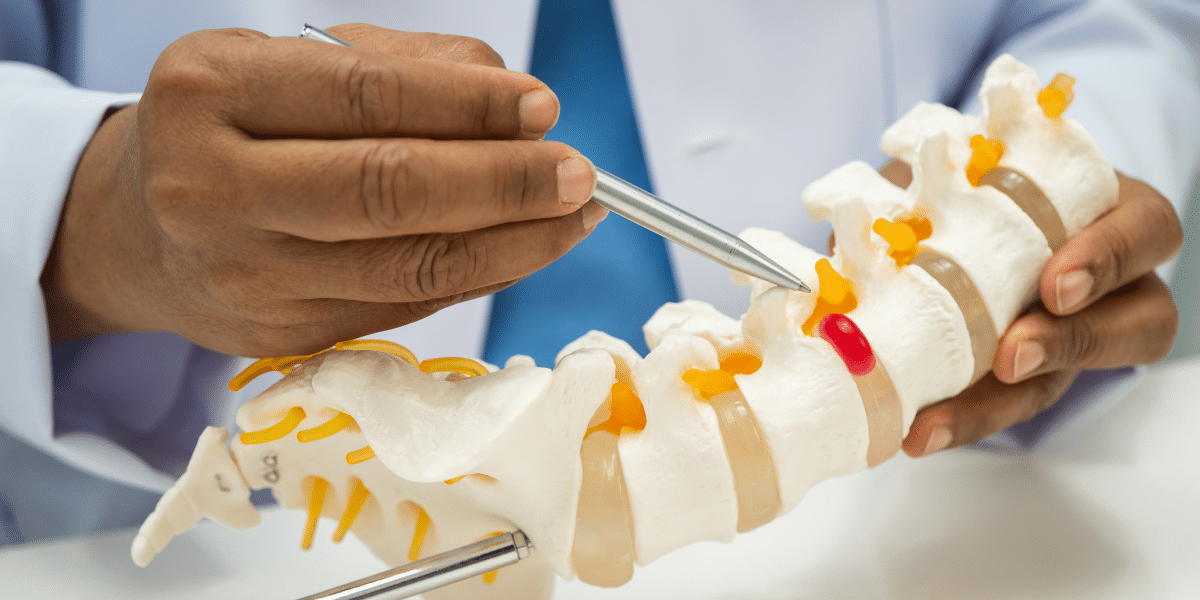
Many people ask: can a chiropractor help with a herniated disc? Sometimes conservative care is appropriate, but treatment should follow a careful assessment rather than a one-size-fits-all plan.
How Chiropractic Care Supports Herniated Disc Treatment
A doctor trained in herniated disc treatment approaches the case by examining the spine and reviewing the patient’s medical history. Chiropractic therapy for herniated discs may help some patients by restoring motion and reducing pressure on the nerves. However, not all therapists are qualified to treat this condition.
Determining Whether Chiropractic Treatment Is Right for You
A chiropractor for herniated disc symptoms should ask about medical history, previous injuries, and changes in strength or sensation. Examination includes movement and neurological checks for problems such as a pinched nerve. Imaging is considered when it could affect treatment decisions or a referral is needed.
How Flexion-Distraction Chiropractic Therapy Works
Flexion-distraction is a type of manual therapy that involves a special table and slow, controlled movements. It is a gentle form of therapy that can help treat herniated discs in some patients, depending on the case.
Using Specialized Tables for Gentle Spinal Movement
While you lie on a segmented table, the chiropractor manually moves one section of the table to bend or separate your spine. Low-velocity, short-duration chiropractic adjustment techniques are used in the treatment of herniated discs, as opposed to high-velocity adjustments that make cracking noises.
How Flexion-Distraction May Influence Spinal Pressure and Nerve Irritation
These movements temporarily change spinal loading. Reduced disc pressure is one proposed mechanism, although results vary. For someone seeing a chiropractor for sciatica, the practical question is whether leg symptoms and movement improve.
Can Flexion-Distraction Help Herniated Disc Material Retract?
Some explanations suggest lower disc pressure might influence protruding tissue. That possibility should not be confused with proven repair. Herniated disc chiropractic treatment cannot reliably retract a disc in every patient, and feeling better does not confirm an anatomical change.
How Flexion-Distraction Works: Four-Step Process
- Patient positioning: Settle comfortably on the treatment table.
- Controlled table movement: The clinician guides gentle flexion and distraction.
- Temporary change in spinal loading: Forces on spinal structures may shift.
- Symptom and mobility assessment: Comfort, movement, and nerve symptoms are reassessed.
How Spinal Decompression Therapy Works for Herniated Discs
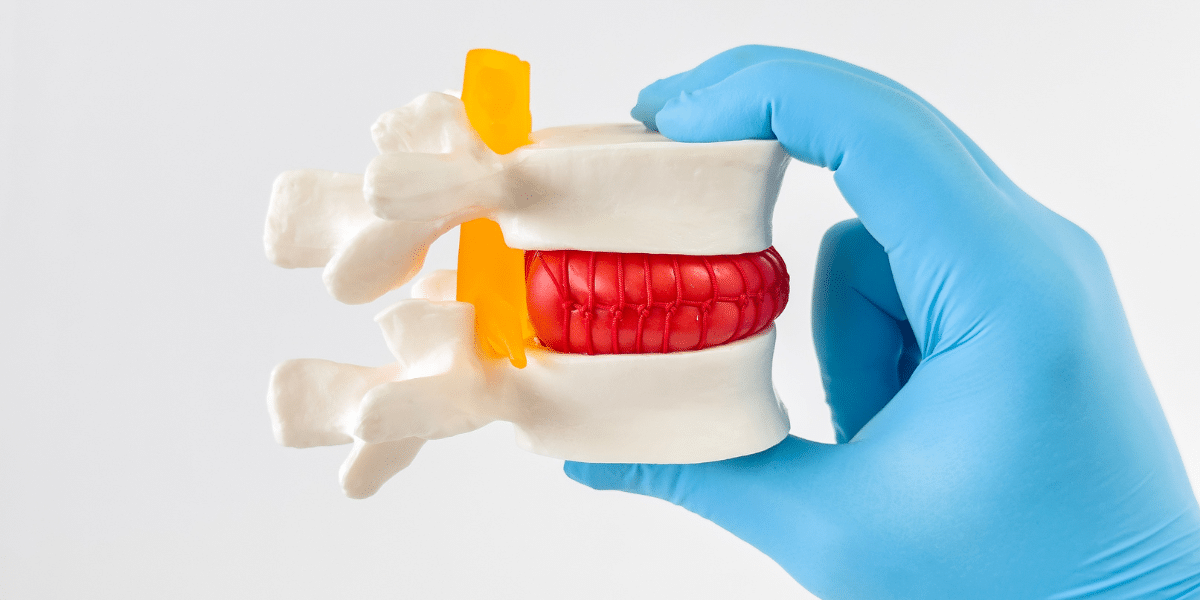
Nonsurgical spinal decompression usually involves a motorized traction table. It applies measured pulling forces, although lasting benefits remain unproven.
What Happens During Nonsurgical Spinal Decompression?
You are laid on a treatment table and put on supportive straps around the pelvis and/or torso. The instrument applies a measured stretching force for a specified time, adjustable to the patient’s comfort level, and ceases if pain or neurological signs increase.
Understanding Negative Pressure and Disc Material Movement
Traction may temporarily alter pressure inside certain discs. This has led to claims that bulging material can move inward, but reliable reductions in herniation size have not been established. Asking whether decompression can fix a herniated disc requires a different answer from asking whether it might ease symptoms.
Does Spinal Decompression Improve Nutrient and Fluid Exchange?
Discs receive their nutrients by diffusion from surrounding tissues, so that variations in loading may affect fluid flow, but improved disc healing has not been proven. Traction is not recommended for low-back pain or sciatica because its effectiveness is uncertain.
Key Benefits of Flexion-Distraction and Nonsurgical Decompression
People are often interested in these options because they do not involve an operation. Still, possible benefits need to be balanced against uncertainty, comfort, and medical suitability.
Gentle, Controlled Treatment Without Surgery
Lower-force movements may feel easier to tolerate than rapid adjustments. Yet gentle treatment can still provoke discomfort, especially during an acute flare-up. Chiropractic care for herniated disc symptoms should be paused or changed when an examination or your response raises concerns.
Supporting Spinal Mobility and Reducing Stiffness
When the pain is severe, every movement is carefully considered. Specific manual methods can be used to reduce stiffness and restore the patient to a more normal condition. Progress must be continually assessed using measurable objectives, such as ambulation and other activities of daily living.
Managing Sciatica and Nerve-Related Discomfort
Some people with sciatica report short-term relief from radiating pain. Others notice little difference. A chiropractor for sciatica should check whether leg pain, numbness, or weakness is changing and explain when another medical opinion is the safer next step.
Flexion-Distraction vs. Spinal Decompression: What’s the Difference?

Both treatments change spinal loading through controlled movement, but the methods are different. Neither is automatically the better choice, and neither guarantees disc correction.
Comparing Techniques, Treatment Goals, and Patient Suitability
Flexion-distraction techniques are manual; mechanical decompression is performed using traction devices. Both approaches are dependent upon the patient’s symptoms, examination, and response to movement. Ask your physician about the potential benefits and risks, and consider alternatives such as exercise-based interventions, which have stronger evidence for most low-back conditions.
| Feature | Flexion-Distraction | Spinal Decompression |
| Method | Manual, table-assisted spinal movement | Controlled mechanical traction |
| Movement | Rhythmic flexion and distraction | Intermittent or sustained stretching |
| Goal | Support comfort and mobility. | Temporarily reduce spinal loading |
| Selection | Based on individual assessment | Based on individual assessment |
What to Expect During Chiropractic Treatment for a Herniated Disc
Your first visit should clarify the problem before treatment begins. Ask what would prompt a change in plans.
Your Initial Consultation and Spinal Assessment
Expect questions about when pain began, what aggravates it, previous injuries, and daily limitations. A herniated disc treatment chiropractor may check movement, reflexes, strength, and sensation. Bring relevant imaging or medical reports if you have them.
What Happens During a Flexion-Distraction or Decompression Session?
If treatment is appropriate, the clinician positions you comfortably and starts with controlled movement or traction. Intensity and duration vary by patient. During herniated disc chiropractic treatment, speak up immediately if discomfort spreads, tingling increases, or new weakness appears.
How Long Does It Take to Notice Improvement?
Recovery depends on the disc condition, symptom duration, activity demands, and individual response. Some patients improve over weeks; others need further investigation. A responsible herniated disc chiropractor reviews changes in function rather than promising a fixed number of visits.
Combining Chiropractic Care With Physical Therapy for Better Recovery
While getting you to feel better is always a good thing, returning you to the activities you enjoy requires both motion and muscle. Rehabilitation will help you regain your confidence while preventing repeated irritation to the tender region.
How Physical Therapy Supports Herniated Disc Rehabilitation
Physical therapy for herniated disc symptoms often starts with manageable activity and progresses toward strength and mobility. Exercises may include walking, core stabilization, and controlled hip movement. Your therapist adjusts the plan based on how your back and leg respond.
Soft-Tissue Therapy and Stretching Programs
Muscles often tighten up around the sore area. Soothing these tight muscles with soft tissue therapy and strategic stretching can help loosen them. When stretching, avoid causing sharp nerve pain and only stretch to the point of a comfortable tension.
Core Strengthening and Ergonomic Advice to Reduce Future Flare-Ups
Safer lifting, movement breaks, and workstation adjustments may reduce recurring strain. Progressive physical therapy for herniated disc recovery also prepares workers and athletes to return to demanding tasks.
When Is Chiropractic Treatment Not the Right Option?
Some symptoms need medical attention rather than another treatment session. Knowing the warning signs can protect nerves and prevent delays in necessary care.
Warning Signs That Require Immediate Medical Attention
New onset of difficulty urinating that requires emergency assessment, fecal incontinence, saddle anesthesia, or progressive lower extremity weakness are symptoms that require emergency evaluation. These signs should not be ignored or delayed for a scheduled adjustment or traction session.
When Specialist Evaluation or Surgery May Be Necessary
Persistent disabling pain, progressive weakness, or minimal response to appropriate conservative care are indications for specialist review. Surgical intervention is a consideration when clinical presentation and findings on investigations are concordant. A competent clinician will facilitate the process of referral in such circumstances.
How We Support Herniated Disc Recovery at Align Health & Wellness in West Windsor, NJ

At Align Health & Wellness, we ask what hurts, what you’ve stopped doing, and what recovery would mean.
Our Personalized Approach to Herniated Disc Treatment
We begin with your symptoms, injury history, movement limitations, and goals. Our approach to chiropractic care for herniated disc symptoms is individualized, with a focus on realistic improvements. If another assessment is appropriate, we’ll explain why.
Combining Our Chiropractic and Rehabilitation Services
Our West Windsor team provides chiropractic care, spinal decompression, physical therapy, and suitable supportive treatments. We may combine manual care with guided exercises, stretching, or pain-management options, depending on clinical findings. We also support people recovering from sports, workplace, and car-accident injuries.
Conclusion
Living with a herniated disc can affect your comfort, mobility, and ability to manage everyday activities. Flexion-distraction chiropractic therapy and nonsurgical spinal decompression may help selected patients manage symptoms, although neither guarantees permanent disc repair. Combining appropriate chiropractic care with physical therapy, core strengthening, and practical lifestyle adjustments can support better movement and long-term spinal health. The appropriate treatment is determined by your symptoms, medical history, and the severity of the nerve irritation. A thorough assessment can help identify suitable nonsurgical options, establish realistic recovery goals, and determine when specialist care may be necessary. Contact Align Health & Wellness today to schedule your consultation and take the next step toward managing your herniated disc symptoms with confidence.