
Numbness, burning, tingling, or sharp foot pain can seem minor at first. For someone with diabetes, though, these symptoms deserve attention. Diabetic neuropathy often develops gradually when high blood sugar affects nerves and circulation, especially in the feet, legs, hands, and balance systems. The CDC notes that high blood sugar can lead to diabetic nerve damage, and managing blood sugar can help prevent or delay it.
Chiropractic care and laser therapy cannot cure diabetic neuropathy or replace diabetes management. Still, they may help reduce discomfort, support circulation, improve mobility, and help patients stay active as part of a broader care plan. For people looking for a Chiropractor near West Windsor, NJ, Align Health & Wellness offers a local option for supportive neuropathy care.
Can Chiropractic Care and Laser Therapy Slow Nerve Damage?
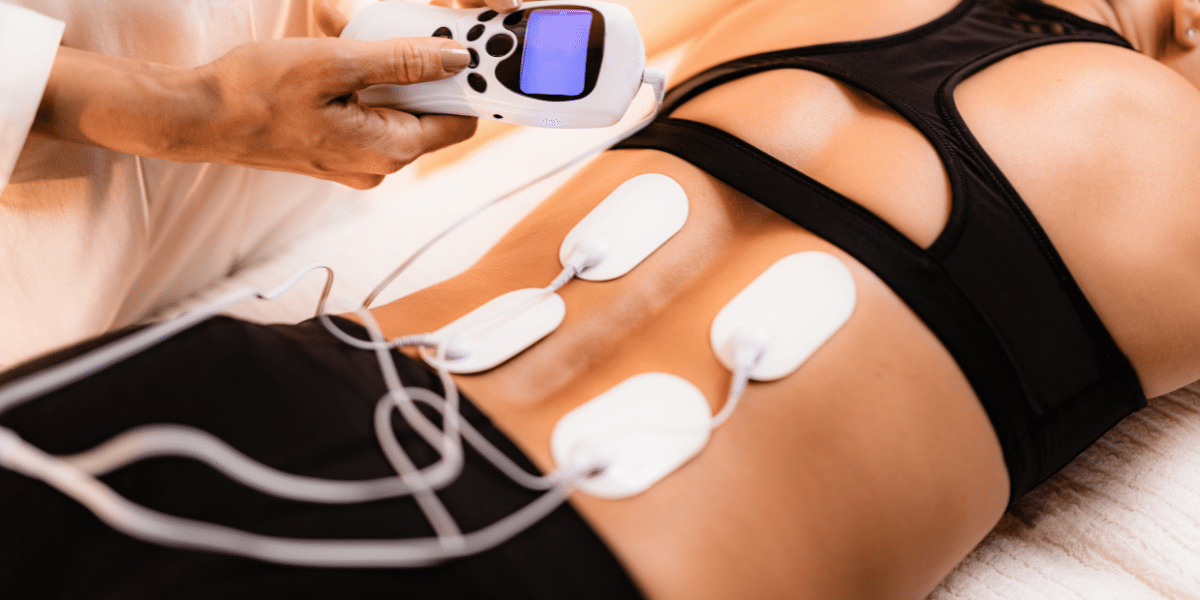
Chiropractic care and laser therapy can help manage diabetic neuropathy symptoms, but they are most effective when combined with blood sugar management, foot care, exercise, nutrition, and medical supervision. Slowing nerve damage is mostly due to metabolic control, early detection, lifestyle habits, and coordinated medical care. Mayo Clinic says blood sugar control within a target range is an important factor in preventing or delaying the progression of diabetic neuropathy. Chiropractic care can be helpful by improving joint function, posture, gait, mobility, and mechanical stress to help with nerve-related pain. In some cases of neuropathy, laser therapy can be used to reduce pain and inflammation, facilitate tissue repair processes, and improve comfort.
Key takeaway: These therapies are supportive. They should not replace diabetes medication, primary care, endocrinology care, podiatry, or urgent medical care when needed.
Understanding Diabetic Neuropathy Before Choosing a Treatment Plan
Diabetic neuropathy is nerve damage related to diabetes. It often affects the feet and legs first, although the hands and fingers may also be involved. The National Institute of Diabetes and Digestive and Kidney Diseases explains that high blood glucose and high blood fats over time can damage nerves.
What Diabetes Can Do to the Nerves
High blood sugar can affect small blood vessels that nourish nerves. Over time, nerve signaling may become irritated, delayed, or reduced. That can change how the body senses pain, pressure, temperature, and position.
Peripheral neuropathy commonly affects:
- Feet and toes
- Legs
- Hands and fingers
- Balance and coordination
- Pain signaling
A subtle point many patients miss: neuropathy is not always painful. Sometimes the bigger concern is reduced feeling.
Common Symptoms Patients Should Not Ignore
Typical symptoms are burning, tingling, numbness, pins and needles, electric pain, shooting pain, weakness, and loss of feeling in the feet. Diabetic neuropathy damages nerves in the legs and feet and can cause pain, numbness, and other symptoms. A reduced feeling can make it harder to notice a small cut, blister, or irritation from a shoe. That’s one reason why foot checks are so important for people with diabetes.
Why Early Neuropathy Care Matters for People with Diabetes
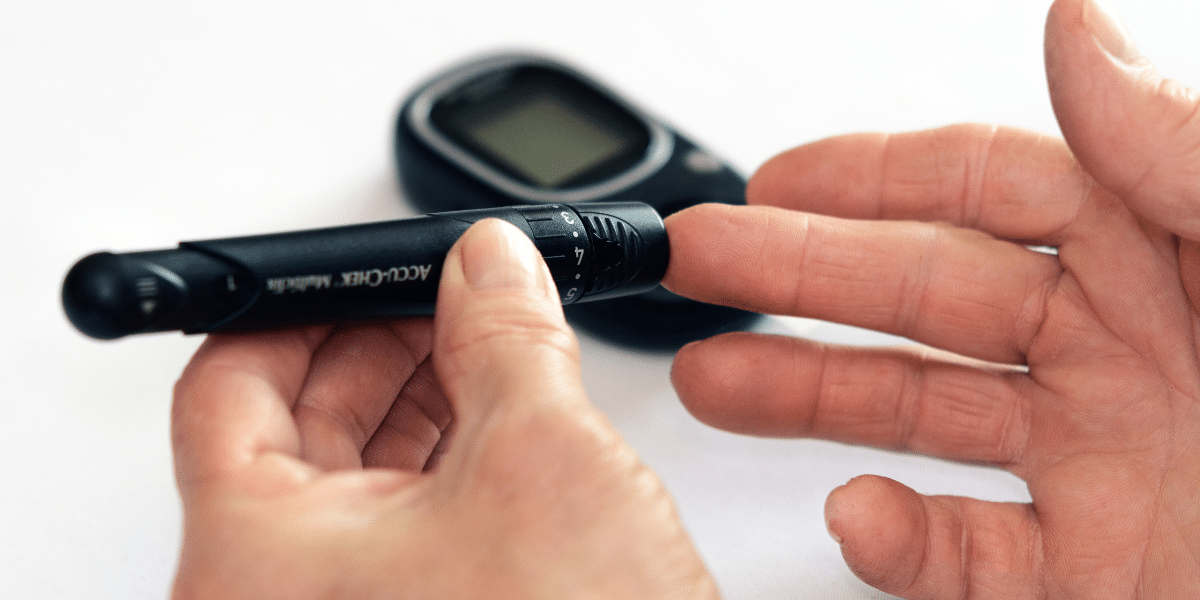
Neuropathy care should be proactive, not pain-driven.
As nerve irritation and loss of sensation increase, patients may alter their gait. This can lead to compensations in the ankles, knees, hips, and lower back. Some people take a shorter step. Others stop walking as often or avoid stairs. These changes can slowly erode strength and confidence. And not just for pain relief. The goals are to protect function, improve comfort, and reduce preventable complications.
Delayed care increases the risk of falls, foot wounds, gait changes, and secondary pain. The American Diabetes Association also points out that nerve damage and poor circulation due to diabetes can increase the risk of serious foot complications, so glucose control and foot care are important.
How Chiropractic Care May Support Diabetic Neuropathy Symptoms
Chiropractic care does not repair diabetes-related nerve damage directly. Its value is often in how it supports the body around the neuropathy.
Improving Movement and Reducing Mechanical Stress
Poor posture, a stiff spine, limited ankle movement and changes can place extra stress on the lower body. Chiropractic adjustments and manual therapies can increase joint motion and decrease secondary pain that develops around restricted areas. For instance, if a person has numb feet, he or she may begin to walk with a wider stance. That can be hard on the hips or lower back. Another patient might not load one foot because it burns at night and causes discomfort in the knee or ankle on the opposite side. Better mobility can help patients walk more confidently and stay active within safe limits.
Supporting Balance, Gait, and Everyday Function
Neuropathy can affect how someone feels on the ground. This is important when you are walking up stairs, standing for long periods of time, getting up at night or walking on uneven surfaces. Chiropractic care may also include balance work, mobility exercises, posture guidance and functional movement coaching. In the real world, the best answer is often to look beyond the painful area. Feet, ankles, knees, hips, and low back all play a role in how stable a patient feels.
How Laser Therapy May Help with Neuropathy Symptoms

Laser therapy is often searched by patients looking for neuropathy treatment West Windsor, NJ, because it is non-invasive and generally comfortable.
What Laser Therapy Is Designed to Do
Laser therapy uses light energy to stimulate cellular activity. In neuropathy care, it may be used to calm irritated tissue, support circulation, and reduce inflammation-related discomfort. Realistic wording matters here. Laser therapy may help. It can support comfort. It is often used as part of a broader plan. It should not be described as a guaranteed nerve repair treatment.
What Patients May Notice During Care
Sessions are typically comfortable and non-invasive. Some patients report gradual improvement in burning, tingling, sensitivity, or walking comfort. Others may need a longer care plan, especially when symptoms have been present for years.
Results can vary based on diabetes control, circulation, activity level, severity of nerve damage, and consistency of care.
| Supportive therapy | Main focus |
| Chiropractic care | Movement, joint function, posture, gait, and mechanical stress |
| Laser therapy | Tissue-level support, inflammation-related discomfort, and local symptom relief |
Together, they may offer a broader supportive approach than either service alone.
What Chiropractic Care and Laser Therapy Cannot Do
Trustworthy neuropathy care should be clear about limits. Chiropractic care and laser therapy cannot reverse every case of nerve damage. They do not replace blood sugar control, diabetes medication, primary care, podiatry, or endocrinology care. They should never be marketed as a guaranteed cure.
Can neuropathy be reversed?
Some symptoms may improve with early intervention and better metabolic control, but long-standing nerve damage can be difficult to reverse fully. Symptoms may improve with better blood sugar management in some cases, while severe neuropathy is less likely to be reversible. Severe numbness, open wounds, signs of infection, sudden weakness, discoloration, or rapidly worsening symptoms require medical evaluation.
When to See a Provider for Neuropathy Symptoms

Schedule an evaluation if you have persistent numbness, tingling, burning, foot pain, balance problems, or symptoms that affect sleep or walking. People looking for diabetic treatment West Windsor, NJ support should choose providers who understand both diabetes-related symptoms and musculoskeletal function.
Use this simple guide:
- Mild symptoms: Schedule a neuropathy-focused evaluation.
- Moderate symptoms affecting sleep or walking: Seek timely care.
- Open wounds, infection signs, severe swelling, sudden weakness, or loss of control: Contact a medical provider urgently.
What a Neuropathy Evaluation May Include
At Align Health & Wellness, a neuropathy evaluation may include a discussion of symptoms, diabetes-related health history, areas affected, and daily limitations. The provider may assess posture, mobility, gait, balance, walking patterns, and functional movement. They may also review your current medical care and discuss whether coordination with another provider is appropriate. Someone with burning feet and low-back stiffness may require a different plan than someone with numbness, poor balance, and difficulty walking. That is why personalized assessment matters.
Building a Complete Neuropathy Care Plan
A strong plan usually combines supportive care with daily habits and medical management.
Supportive Therapies That May Be Included
Care may include chiropractic adjustments, laser therapy, mobility exercises, balance training, soft tissue work when appropriate, posture support, and gait guidance.
Medical and Self-Care Factors That Still Matter
Blood sugar management remains central. Foot checks, protective footwear, hydration, nutrition, safe physical activity, and communication with medical providers also matter.
Daily neuropathy checklist:
- Inspect your feet.
- Wear supportive shoes.
- Move safely each day.
- Track symptom changes.
- Report new wounds, swelling, or sudden changes early.
Small routines can prevent larger problems.
Local Care Considerations for West Windsor and Nearby New Jersey Patients

Patients in West Windsor, Allentown, and nearby communities often prefer local care because neuropathy support may require multiple visits. Consistency is easier when the office is nearby, scheduling is realistic, and the care plan fits normal life.
Some users may search broader terms like Chiropractor in Jersey City NJ or Emergency chiropractor Jersey City, but neuropathy and diabetes-related care should be chosen based on provider fit, not just location. For someone comparing options for a Chiropractor near West Windsor NJ, the most important factor is finding a provider who offers personalized neuropathy care rather than a one-size-fits-all approach.
Questions to Ask Before Starting Neuropathy Treatment
Ask clear questions before beginning care:
- Do you evaluate gait, balance, and mobility?
- Do you offer laser therapy for neuropathy symptoms?
- How do you personalize care for diabetic patients?
- What results are realistic for my stage of neuropathy?
- How will progress be measured?
- When should I involve my primary doctor, endocrinologist, or podiatrist?
Short answer: The best neuropathy care plan should explain what is being treated, why it matters, how progress will be tracked, and what signs require medical follow-up.
How Align Health & Wellness Helps Patients with Neuropathy and Diabetes-Related Symptoms

Align Health & Wellness provides patient-centered care for people dealing with neuropathy symptoms, pain, mobility challenges, and diabetes-related concerns. The team may combine chiropractic care, laser therapy, movement support, and personalized recommendations based on the patient’s needs. The focus is practical: comfort, mobility, safety, and realistic progress. If you are searching for a Chiropractor near West Windsor, NJ who can help you explore supportive neuropathy care, Align Health & Wellness can help you understand your options.
Conclusion
Diabetic neuropathy is complex and should be addressed early. Chiropractic care and laser therapy may help reduce discomfort, support mobility, and improve quality of life when used appropriately. The best results come from combining supportive therapies with diabetes management, foot care, healthy movement, and medical guidance. If symptoms are starting to affect your walking, sleep, balance, or daily comfort, don’t wait for numbness, burning, or balance problems to get worse. Contact Align Health & Wellness today to schedule a neuropathy care consultation in West Windsor, NJ.
Preguntas frecuentes
Can chiropractic care cure diabetic neuropathy?
No. Chiropractic care should not be presented as a cure. It may help manage symptoms, movement, and function as part of a broader plan.
Can laser therapy reverse nerve damage from diabetes?
Laser therapy may support symptom relief and tissue healing processes. Results vary, and long-standing nerve damage may not fully reverse.
Is neuropathy treatment painful?
Chiropractic and laser therapy approaches are generally designed to be comfortable. Care should be adapted to the patient’s sensitivity and condition.
How many visits are needed for neuropathy care?
It depends on symptom severity, duration, diabetes control, circulation, and response to care. A provider should recommend a plan after evaluation.
When is neuropathy an emergency?
Open sores, infection signs, sudden weakness, severe swelling, discoloration, or rapidly worsening symptoms require urgent medical attention.